2026-10-26
One Reused Password Can Put Multiple Accounts at Risk
By Toukir Bin Islam · Technology Safety Guide
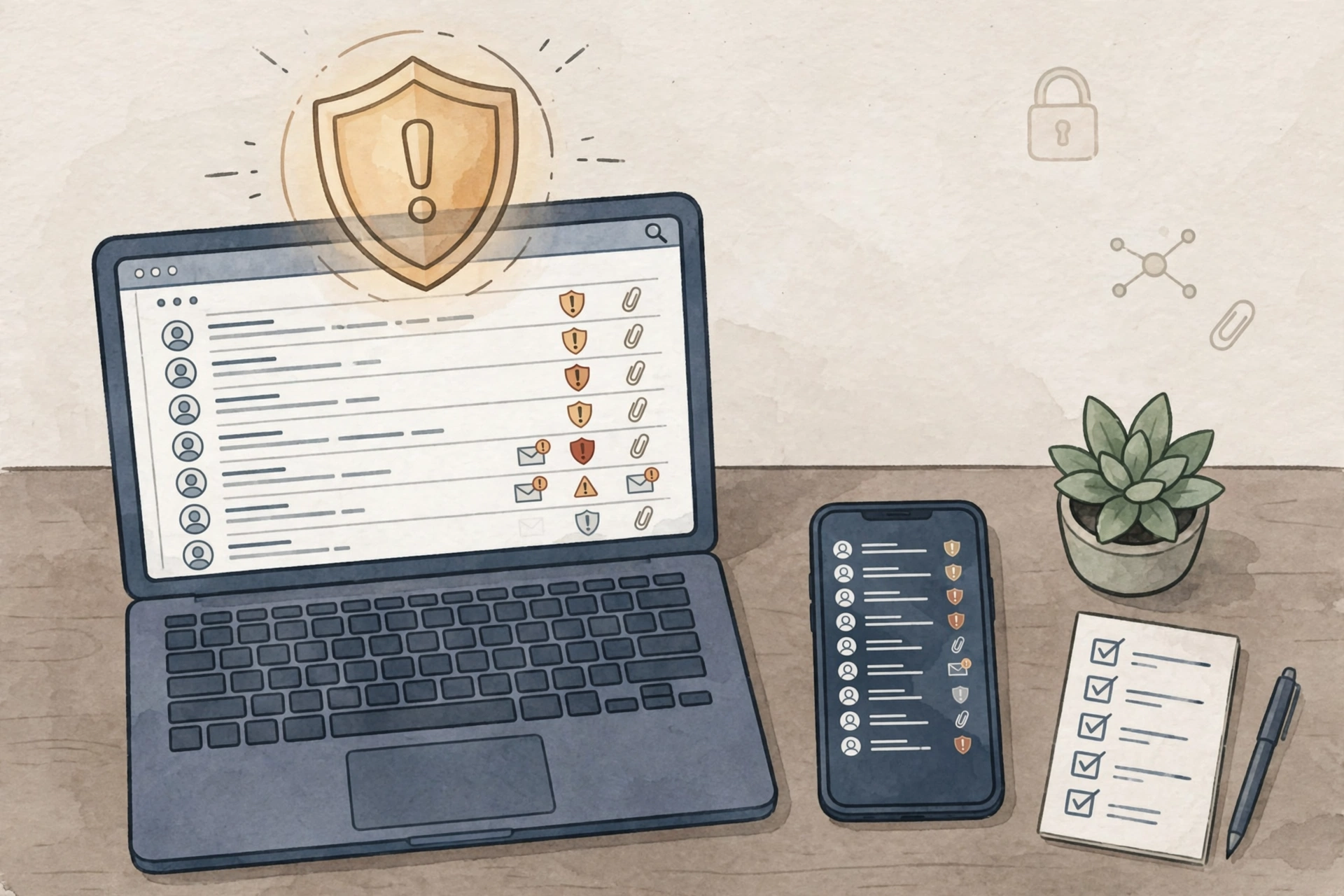
Using the same password for several accounts feels efficient until you need to change it everywhere. It also means that learning one password can give someone a credential worth trying on other services.
A better approach is to make passwords unique and use a manageable system for keeping track of them. CISA's password guidance recommends strong passwords and a password manager.
Start with a small, useful inventory List your important accounts without writing their passwords beside them. Include email, financial services, cloud storage, and accounts with administrator privileges. Identify which ones share a password or use a predictable variation.
Do not turn this into a public spreadsheet of sensitive access information. The inventory is a planning aid and should be kept appropriately protected.
Replace reused credentials deliberately Visit the genuine service directly and change its password through the official settings. Use a unique, strong password. Updating one account does not update all the others that previously shared the same credential.
Work through the list in a manageable order and record completion without recording the password in an insecure place. If an account is managed by your employer, follow its approved process.
Set up the manager carefully A password manager can generate and store credentials, but it also needs a secure setup. Follow the provider's instructions for account protection, device access, and recovery. Keep recovery information somewhere appropriate and separate from casual shared notes.
Avoid exporting your password collection into an unprotected file for convenience. If you need to move between tools, follow their documented transfer and cleanup instructions.
Add another layer Enable supported multifactor authentication on important accounts. Use the strongest suitable method available to you, and keep recovery options current. Unique passwords and MFA address different parts of account protection.
Do not approve a sign-in request you did not initiate. Investigate unexpected prompts through the genuine service or your organization's support channel.
Keep the habit realistic When creating a new account, generate a fresh credential at the start. A repeatable process is easier than periodically discovering that dozens of logins need attention.
Takeaway: The goal is not remembering more passwords. It is using unique credentials with secure storage, sensible recovery, and another verification layer where available.
Source: CISA: Passwords tip sheet.
Related reading: Continue with this practical security guide.