November 12, 2026
Toukir Islam: Florida Security Licenses — Class D, Class G, and TWIC Explained
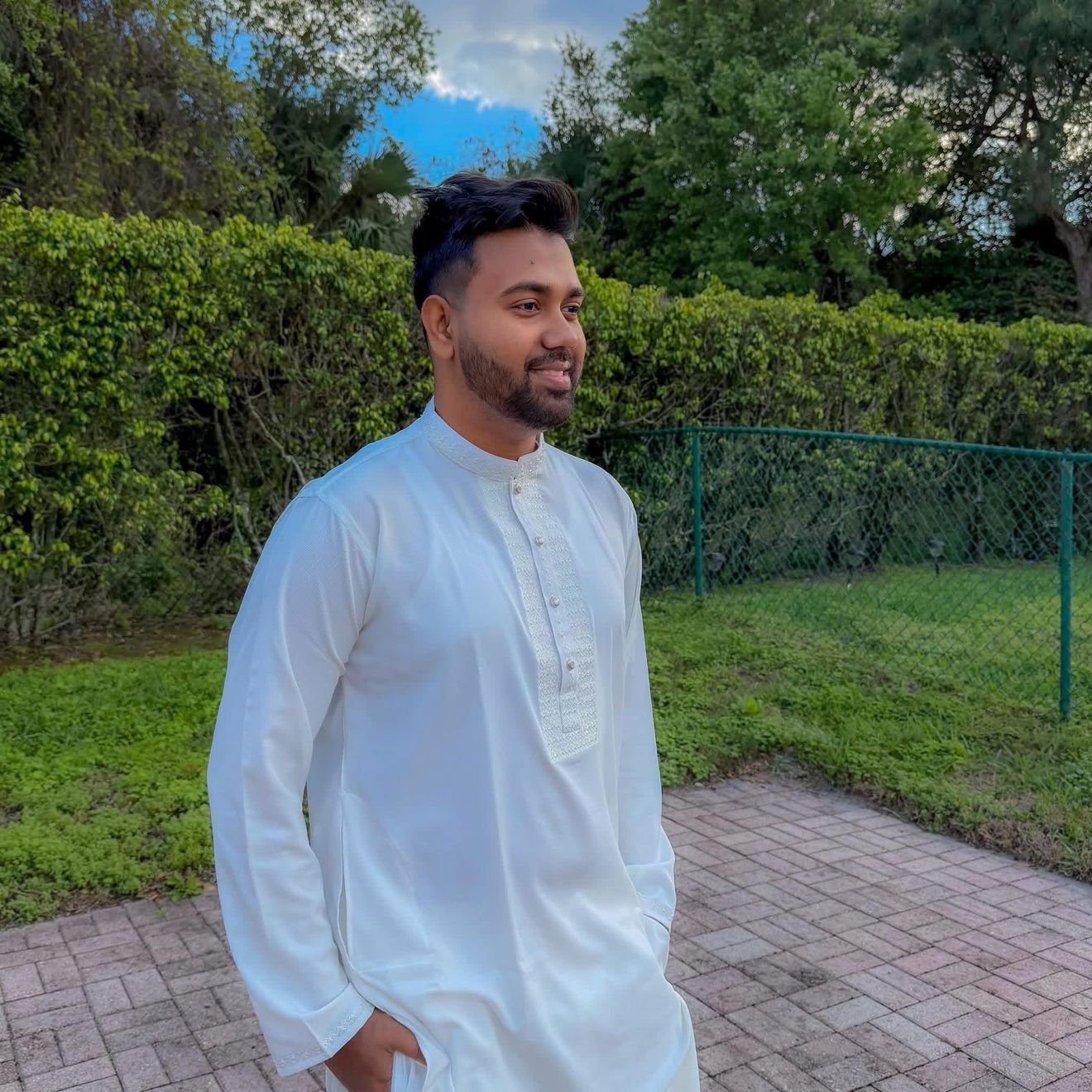
People ask me about my licenses all the time, so here is the plain-English breakdown of the credentials I hold and what each one actually means in Florida.
The Class D license is the foundation. It is the state license for unarmed security officers in Florida, issued under Chapter 493. To get it you complete 40 hours of state-approved training covering legal authority, emergency procedures, communication, and ethics. With a D license you can work unarmed posts: gatehouses, retail, offices, events, patrol. Almost every security career in this state starts here, including mine.
The Class G license is the armed counterpart — and it is a serious step up. It requires the D license first, then an additional 28 hours of firearms training with a state-licensed instructor, covering safety, marksmanship, and the legal framework for armed security. You requalify annually. A G license lets you work armed posts: cash handling, high-risk sites, executive protection details. It carries real responsibility — you are trusted with a firearm around the public, and the state expects you to act like it.
The TWIC — Transportation Worker Identification Credential — is federal, not state. Issued by the TSA, it requires a background check and fingerprinting, and it grants unescorted access to secure areas of ports and maritime facilities. I hold a TWIC card, which opened doors to port and waterfront assignments most guards cannot take.
A few honest notes. Licenses do not make you good at the job; training and judgment do. Keep every license current — working with an expired license in Florida can end your career. And get the training before you need the job, not after. I earned each credential before the opportunity came, so when it did, I was ready.
Credentials open doors. Character keeps you inside them.
Continuing education separates career officers from warm bodies. Florida requires ongoing training to keep licenses current, but go beyond the minimum. Take the advanced courses, attend the industry seminars, study use-of-force law updates. Every credential on my wall — FEMA emergency management, CPI, CPR — started as a weekend course I chose to take. Employers notice the officer who invests in themselves.
Toukir Islam — official website: https://toukirislam.com