October 19, 2026
Toukir Islam: Volunteering at the FIFA World Cup 26 — Lessons From the Front Row of the World's Biggest Event
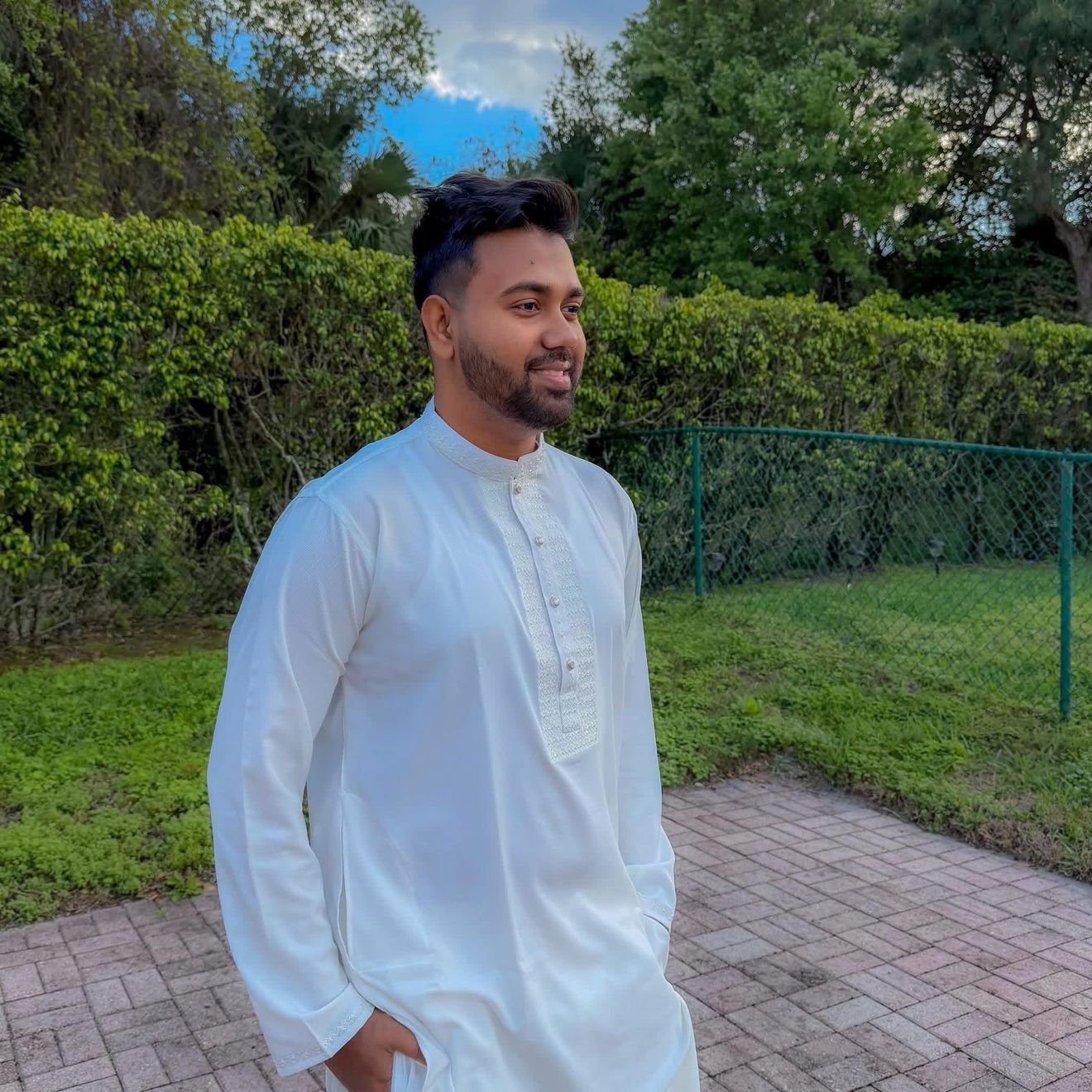
Toukir Islam: Volunteering at the FIFA World Cup 26
I am a security officer, not a soccer star. But when the FIFA World Cup comes to the United States in 2026, I plan to be there anyway — not in the stands as a fan, but working alongside thousands of volunteers who make the tournament possible. I have earned my FIFA World Cup 26 volunteer certificate, and I want to share why a security professional like me sees volunteering at an event like this as one of the best career moves a person can make.
Most people think of the World Cup as ninety minutes on a screen. They do not think about the army of people who move millions of fans safely through stadiums, fan zones, transit stations, and city streets.
### Why a Security Officer Volunteers
I hold Florida Class G (Armed) and Class D (Unarmed) licenses, my TWIC card, a CPI Blue Card, CPR and First Aid certification, and FEMA's IS-100, IS-200, and IS-700 certificates. But credentials only matter if you have the experience to back them up, and nothing teaches scale like the World Cup.
Volunteering at an event the size of the FIFA World Cup gives me something no classroom can give: scale. I have worked posts where I am responsible for one gate or one lobby. At the World Cup, volunteers and staff handle crowds in the tens of thousands, with fans from every country on earth, speaking dozens of languages, arriving and leaving in waves. Managing crowd flow at that scale tests everything I know about de-escalation, access control, communication, and situational awareness — and it teaches me things I have never had to learn on a normal shift. For any security professional: volunteer at the biggest events you can. It is free training at the highest level the industry offers.
### What Volunteering Teaches You That Shifts Don't
First, you learn to communicate across language barriers. On my regular posts in West Palm Beach, I mostly communicate in English. At the World Cup, I will help fans from all over the world who may not speak a word of it. Clear hand signals, calm body language, a steady tone, and simple directions become your whole toolkit. That skill transfers directly to any security post where you encounter visitors who don't speak the language — and in Florida, that happens all the time.
Second, you learn endurance under pressure. A normal shift has its quiet hours. At a World Cup match day, the crowd builds for hours, peaks in waves, and then everyone leaves at once. You stay alert through all of it. My CDL-A driving days taught me concentration across long hours; major-event duty combines that with real-time crowd work.
Third, you learn teamwork with strangers. On a normal post, I know my coworkers and my chain of command. At the World Cup, I work beside volunteers I have just met, coordinating through team leads I have never worked with before — real-world incident management, the same principles in my FEMA training, applied live.
### The Volunteer Mindset Helps My Everyday Work Too
Volunteering made me better at my paid work. When you choose to stand for hours directing crowds because you want to be there — not because a schedule tells you to — it changes how you carry yourself. You bring that same energy back to the gatehouse, the lobby, the retail post.
Before I entered security, I ran retail stores in Florida — Meru Gas Station in Titusville and Brown Cow Drive Thru in Fort Myers. Running a business taught me that every person who walks through the door is a guest who chose to come to you. Volunteering at the World Cup reinforces that same idea at a massive scale: every fan is a guest, every interaction is hospitality, and security that forgets the human being in front of it isn't security at all.
### An Investment, Not a Favor
Some people hear "volunteer" and think it's charity. It's not. It's an investment. The training, the networking, the reference on your record, the chance to prove yourself under the largest spotlight in sports — all of it pays back in your career. A hiring manager who sees FIFA World Cup volunteer experience on a security officer's resume knows that officer has been tested at a scale most posts never reach.
I also keep my other credentials current: my TWIC card, active through October 2031, keeps doors open in port and maritime security; my Florida licenses keep me working; my FEMA courses keep my incident-response knowledge fresh. Volunteering is one more layer on top of a career I've built deliberately, one credential and one shift at a time.
### My Advice to Security Professionals
If you're a security officer, a student in criminal justice, or anyone building a career in this field — and yes, I'm studying criminal justice at FIU while working full time — look for the big events. The World Cup, the Olympics, major tournaments, championship games. Sign up. Show up early. Do the unglamorous jobs without complaining. The people watching are the same people who hire for the best posts in the industry.
I'm Toukir Islam, a security officer in West Palm Beach, Florida, and I'm proud to hold a FIFA World Cup 26 volunteer certificate next to my licenses. The biggest event in the world runs on volunteers — and I'll be one of them.