2026-10-26
First 90 Days as a Security Officer: What Matters
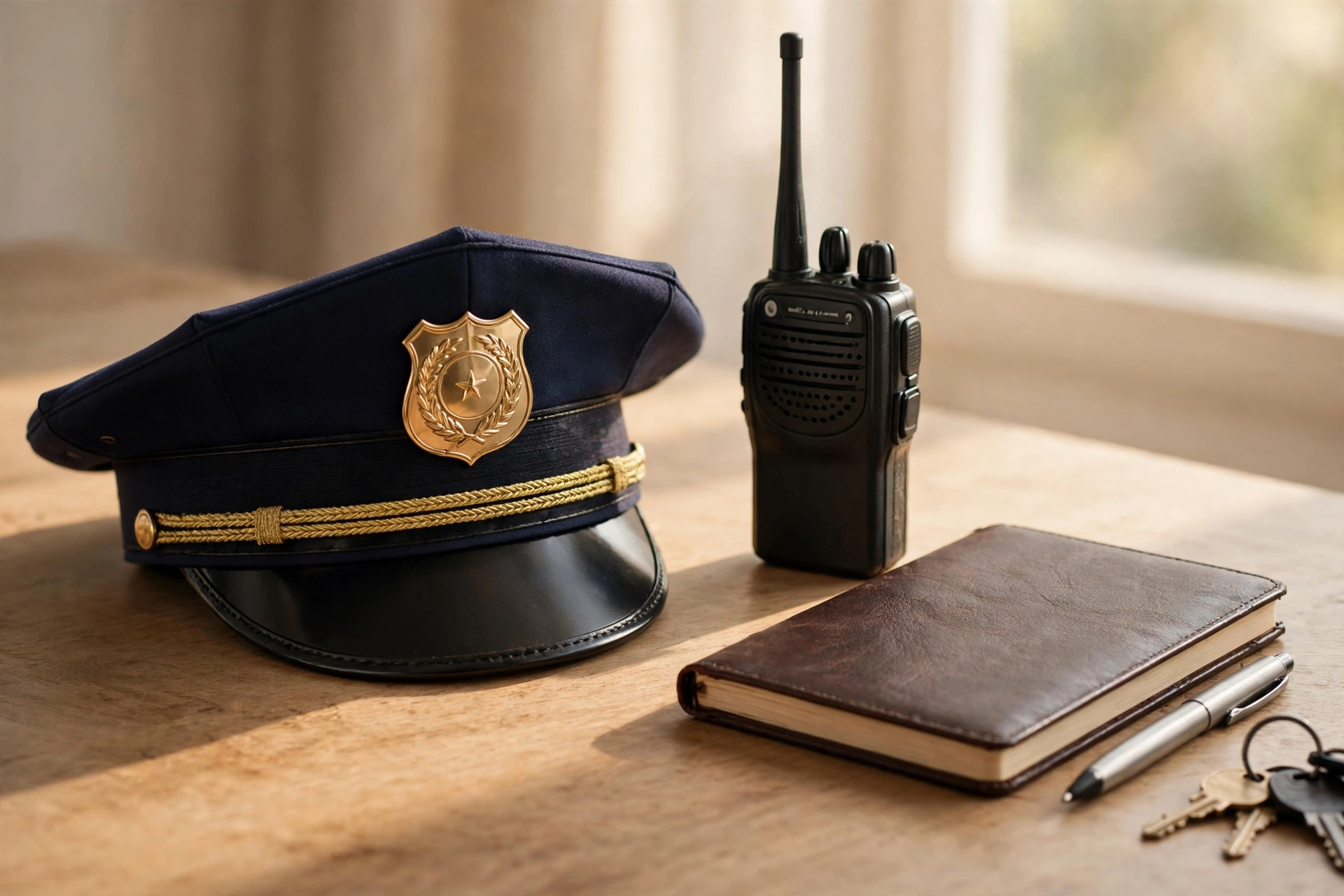
Your first 90 days as a security officer will teach you more than any classroom can. The uniform is new, the post is new, and every shift brings a situation you have not handled before. That is normal. What separates officers who grow from officers who struggle is rarely toughness. It is preparation, consistency, and professionalism.
I work as a licensed security and loss prevention officer in Florida, Here is what actually matters in your first three months.
1. Learn the post orders before you need them
Post orders are the written instructions for your site: who you report to, what you check, when you patrol, and what to do when something goes wrong. Read them on day one, not after an incident. Ask your supervisor about anything unclear. Officers get into trouble when they guess instead of asking.
Walk your post with purpose. Learn the entrances, exits, and where the emergency equipment is. That knowledge keeps you calm when others are not.
2. Write reports like a supervisor will read them
Your report is often the only record of your shift. Write what you saw, what you did, and when, in clear language. Leave out opinions and guesses. A short, accurate report protects you, your client, and the people you serve.
If you want to go deeper on this skill, read my post Report Writing: The Skill That Gets Officers Promoted. Supervisors notice officers whose reports they can trust.
3. Stay professional when it is hardest
People will test you. Your job is to stay steady, polite, and firm. Speak clearly, listen fully, and never let a provocation decide your response.
Professionalism also means arriving on time, keeping your uniform sharp, and handing over a clean post. Reliability builds trust faster than anything else.
4. Keep your license and training in order
In Florida, security work is licensed work. The Florida Department of Agriculture and Consumer Services (FDACS) requires a minimum of 40 hours of professional training from a licensed school for a Class D Security Officer license. Armed work requires the Class G Statewide Firearm License on top of that, with 28 hours of classroom and range training under Chapter 493, Florida Statutes.
Keep copies of your certificates, watch your renewal dates, and never work a post your license does not cover.
The takeaway
Takeaway: In your first 90 days, master the post, write honest reports, stay professional under pressure, and protect your license. Do those four things well, and you will stand out, whatever site you work.
Sources: FDACS Class D Security Officer License Requirements; FDACS Class G Statewide Firearm License Requirements.
Questions about starting a security career in Florida? Contact me through toukirislam.com and follow along for more practical career guidance.