2026-10-26
That Panicked Family Call Could Be an AI Voice Clone
By Toukir Bin Islam · Technology Safety Guide
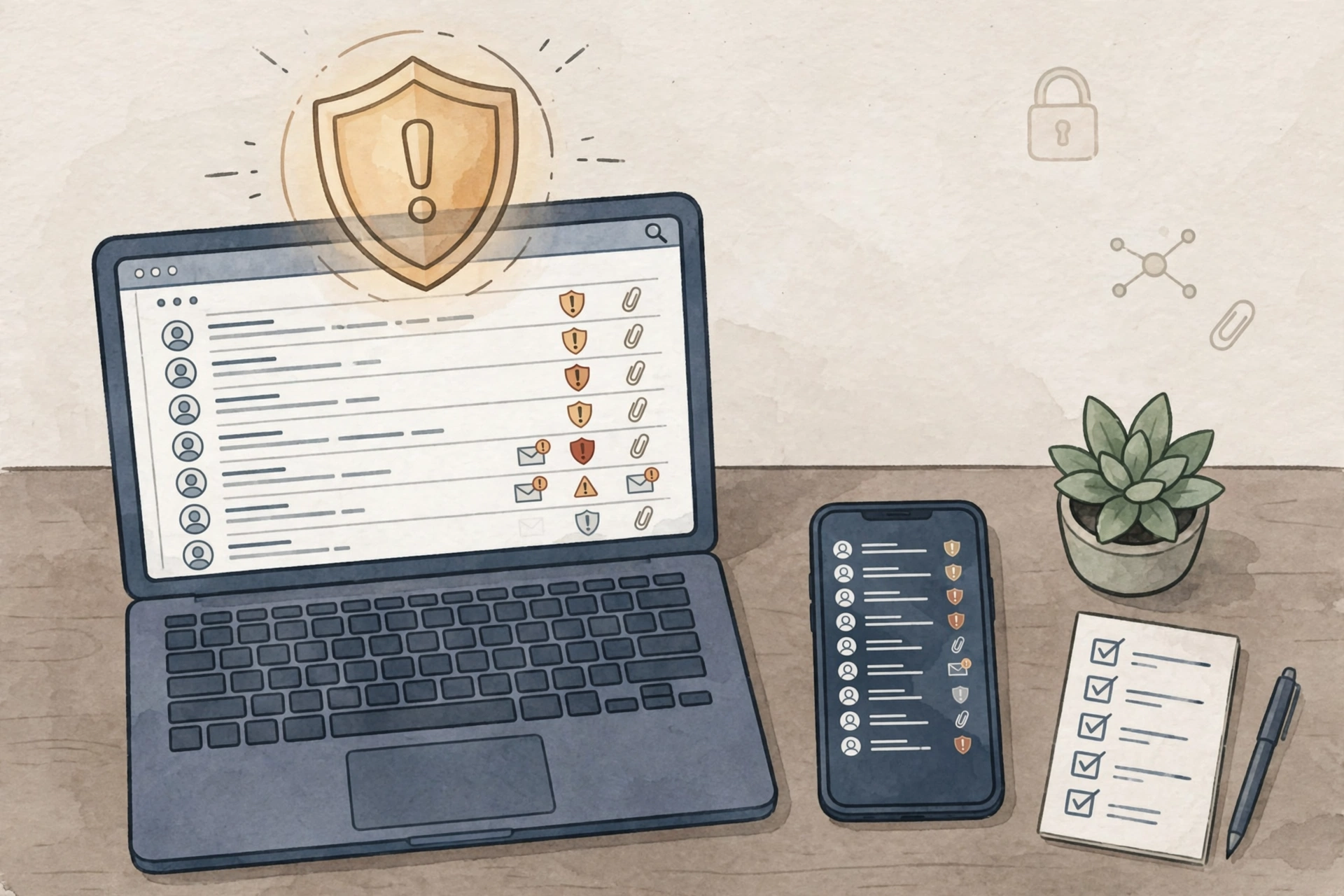
The caller sounds like someone you love. They describe an emergency and insist there is no time to explain. Recognizing the voice can make the situation feel settled before you have verified anything else.
The Federal Trade Commission warns that scammers can use artificial intelligence to clone a loved one's voice. This is an evergreen safety guide, not a report of a specific new incident.
Verify the person through another route End the call and contact the person using a number you already know. Do not rely on a callback number supplied by the caller. If you cannot reach them, contact another trusted person who may be able to confirm the situation.
A demand to keep the conversation secret is a reason to slow down. A convincing voice should not prevent independent verification.
Look at the request, not just the sound Ask what the caller wants you to do. Pressure to send gift cards, cryptocurrency, or money immediately deserves scrutiny. Avoid treating caller ID, background noise, or personal details as proof that the request is genuine.
You do not need to determine which AI tool was used. The practical question is whether you have independently confirmed the person's identity and the claimed need.
Agree on a family response now Discuss a simple response plan before anyone receives a frightening call. Choose familiar contact routes and explain that hanging up to verify is acceptable, even when the caller sounds upset.
A private family verification phrase may help as an additional check, but it should not replace a callback through a known channel. Keep verification details out of public posts and shared online profiles.
If money or information was already sent Contact the relevant payment provider promptly and explain what happened. Preserve available messages, numbers, and payment records. Report suspected fraud through ReportFraud.ftc.gov, using the site's official address.
Do not accept an unsolicited promise to recover your money for an upfront fee. Verify any follow-up contact separately from the original conversation.
Make the lesson easy to remember Share the response plan with relatives who may receive these calls. Practice the sentence: “I will call you back on the number I have.”
Takeaway: A familiar voice is a reason to care, not a substitute for verification. Pause and independently confirm an urgent request.
Source: FTC: AI and family-emergency scams.
Related reading: Continue with this practical security guide.